
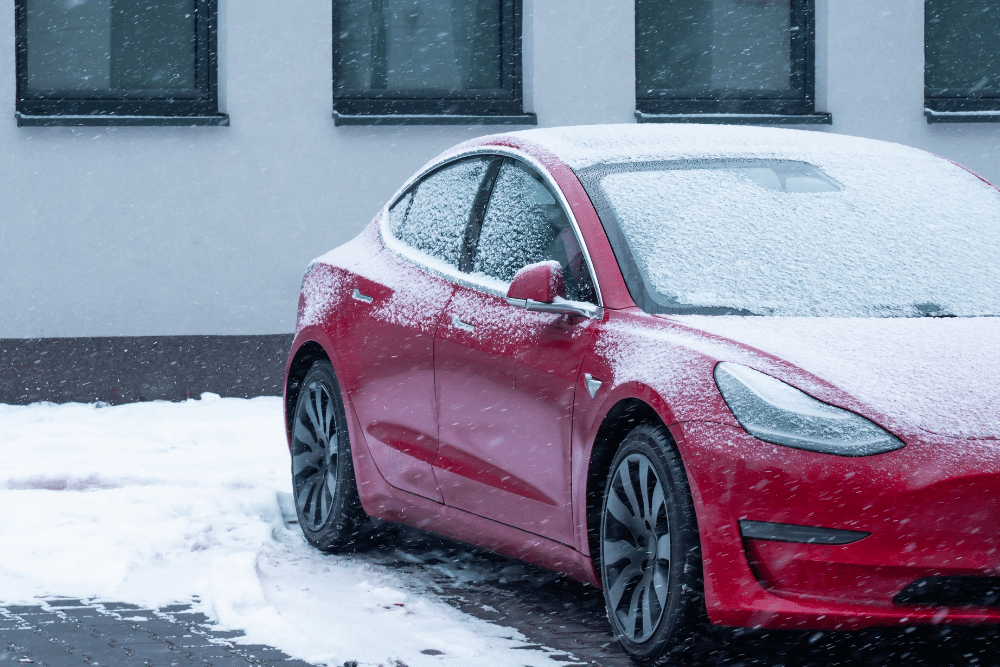
Milwaukee winters are no joke. When temperatures plunge and snow blankets the roads, your Tesla faces unique challenges that can impact battery range, performance, and overall drivability. Cold weather affects electric vehicles differently than traditional gas-powered cars, and understanding these differences is crucial for keeping your EV running efficiently throughout the winter. At Next Level Auto Services, we specialize in Tesla maintenance and utilize OEM-level diagnostic tools to ensure your electric vehicle performs at its best, even in cold weather conditions. Serving Mequon, north Milwaukee, and Menomonee Falls, our ASE-certified technicians provide the expertise you need to navigate winter driving with confidence.
Winter Tesla maintenance isn’t just recommended; it’s essential for protecting your investment and maximizing range during the coldest months. From battery conditioning to brake system checks, proper maintenance helps prevent cold-related faults and keeps you safely on the road. Let’s explore what you need to know about winter EV care and how our team can help you stay ahead of the season.
Why Cold Weather Affects Tesla Performance
Electric vehicles rely on battery chemistry that’s sensitive to temperature changes. When the thermometer drops below freezing, your Tesla’s lithium-ion battery has to work harder to deliver the same amount of power.
Battery Range Reduction in Winter
You’ll notice your range decreasing during Milwaukee’s coldest months, and that’s completely normal. Cold temperatures slow down the chemical reactions inside the battery, reducing its ability to hold and deliver a charge. Additionally, your Tesla uses battery power to heat the cabin, defrost windows, and warm the battery itself, all of which drain energy that would otherwise go toward driving range.
Most Tesla owners experience a 20-40% range reduction in winter conditions. This isn’t a defect; it’s physics. However, proper maintenance and smart driving habits can minimize these losses and help you get the most out of every charge.
Regenerative Braking Limitations
Your Tesla’s regenerative braking system captures energy when you slow down and sends it back to the battery. But when the battery is cold, it can’t accept as much charge, so regenerative braking becomes less effective. You’ll see a dotted line on your display indicating limited regen, which means you’ll need to rely more on your friction brakes.
This is why winter brake inspections are so important for Tesla vehicles. At Next Level Auto Services, we check your brake pads, rotors, and brake fluid to ensure your friction brakes are ready to handle the increased workload during cold weather months.
Tire Pressure and Traction Concerns
Cold air causes tire pressure to drop, typically about one PSI for every 10-degree temperature decrease. Under-inflated tires reduce range, compromise handling, and increase the risk of hydroplaning on slushy roads. Your Tesla’s tire pressure monitoring system will alert you to significant drops, but it’s smart to check pressure weekly during winter.
Winter tires or all-season tires with good tread depth make a huge difference in snow and ice traction. We can help you assess your current tires and recommend the best options for Milwaukee’s winter driving conditions.
Essential Winter Tesla Maintenance Services in Milwaukee
Preparing your Tesla for winter requires attention to several key systems. Our team at Next Level Auto Services uses specialized diagnostic equipment to identify potential issues before they leave you stranded in the cold.
Battery Health Assessment and Thermal Management
Your Tesla’s battery thermal management system keeps the battery at optimal operating temperature. During winter, this system works overtime to warm the battery before driving and maintain temperature during operation. We use OEM-level scan tools to check battery health, monitor thermal management performance, and identify any faults that could impact winter efficiency.
Precondition your battery before driving by scheduling departure times through your Tesla app. This warms the battery while still connected to your charger, using grid power instead of draining your battery. It’s one of the simplest ways to preserve range during winter months.
Brake System Inspection
Since regenerative braking is limited when batteries are cold, your friction brakes take on more responsibility during winter driving. We inspect brake pads, rotors, calipers, and brake fluid to ensure everything is functioning properly. Tesla brake pads often last longer than traditional vehicles due to regenerative braking, but winter conditions can accelerate wear.
Our brake service includes checking for moisture contamination in the brake fluid, which can freeze and cause brake performance issues. We follow Tesla’s maintenance guidelines while providing the personalized service you won’t find at larger service centers.
Tire Condition and Pressure Monitoring
We perform comprehensive tire inspections that include tread depth measurement, pressure checks, and visual examination for damage or irregular wear. Proper tire maintenance is critical for winter safety and energy efficiency. Under-inflated tires increase rolling resistance, which directly impacts your range.
If you’re considering winter tires, we can help you select the right option for your driving needs and install them properly. Winter tires use softer rubber compounds that stay flexible in cold temperatures, providing better grip on snow and ice.
Windshield Washer Fluid and Wiper Blades
Milwaukee winters mean salt, slush, and reduced visibility. Your windshield washer system gets a serious workout during these months. We replace washer fluid with winter-grade solution rated to negative 20 degrees Fahrenheit or lower, preventing freeze-ups that could damage your washer pump.
Wiper blades should be inspected and replaced if they’re streaking or leaving gaps. We recommend winter wiper blades with rubber boots that prevent ice buildup on the blade frame, ensuring clear visibility during snowstorms.
A/C and Cabin Heating System Check
Your Tesla’s heat pump system or resistive heating system uses battery power to warm the cabin. While you can’t avoid using heat in Wisconsin winters, ensuring the system works efficiently helps preserve range. We check for proper operation, inspect cabin air filters, and verify that heated seats and steering wheel functions are working correctly.
Using seat warmers instead of cranking up cabin heat can save significant battery power. Seat warmers are more efficient because they heat your body directly rather than warming the entire cabin air volume.
Winter Driving Tips for Tesla Owners in Milwaukee
Beyond maintenance, smart driving habits make a big difference in how your Tesla performs during winter months. Here are practical tips from our experienced technicians:
- Maintain optimal charge levels: Keep your battery between 20-80% for daily driving, but charge to 100% before long winter trips when you’ll need maximum range
- Precondition before every drive: Use the Tesla app to warm your battery and cabin 20-30 minutes before departure while still plugged into your charger
- Plan for reduced regenerative braking: Increase following distance during the first 10-20 minutes of driving when regen is limited and friction brakes do more work
- Check tire pressure weekly: Cold air drops tire pressure about one PSI per 10-degree temperature decrease, affecting range and safety
- Use scheduled charging strategically: Charge overnight and time completion near your departure to ensure a warm, fully charged battery
- Leverage seat warmers over cabin heat: Seat and steering wheel warmers use less energy than heating the entire cabin
- Keep your Tesla plugged in during extreme cold: Even without charging, this allows the thermal management system to maintain battery temperature without draining the battery
- Avoid aggressive acceleration when cold: Gentle throttle inputs in the first few miles help preserve range and allow gradual battery warming
Ready to winterize your Tesla? Our team at Next Level Auto Services uses OEM-level diagnostic tools to ensure your EV is prepared for Milwaukee’s harsh winter conditions. Call us at 414-206-0100 or schedule your appointment online today. We’re here to help keep your Tesla performing at its best all winter long.
Why Choose Next Level Auto Services for Tesla Maintenance
We’re not a typical auto repair shop, and that matters when you’re trusting someone with your Tesla. Our approach to Tesla service reflects our core values of integrity, knowledge, and clear communication.
- OEM-Level Diagnostic Equipment: We invest in the same diagnostic scan tools that Tesla technicians use, ensuring accurate diagnostics and proper service procedures
- ASE Master Technician Expertise: Owner Ryan Witte brings extensive industry experience and holds multiple certifications, including ASE Master Technician status
- Transparent Communication: We explain what your Tesla needs, why it needs it, and what can wait, helping you make informed decisions about maintenance
- 3-Year/36,000-Mile Warranty: Our comprehensive warranty protects your investment and demonstrates our confidence in our workmanship
- Convenient Service Options: We offer contactless drop-off, text-to-pay, and same-day or next-day service when possible
- Digital Vehicle Inspections: Through Tekmetric, you’ll receive detailed inspection reports with photos showing exactly what we findc
We understand that Tesla ownership represents a commitment to innovation and sustainability. Our team respects that commitment by providing service that meets the high standards you expect. We’re here to help you get the most out of your electric vehicle, especially during challenging winter conditions.
Protecting Your Tesla Battery During Wisconsin's Harsh Winter
Your Tesla’s battery is the heart of your electric vehicle, and Wisconsin winters can be particularly challenging for battery performance. Understanding how to protect and maintain your battery during cold months is crucial for maximizing range and longevity.
Understanding Battery Chemistry in Cold Temperatures
Lithium-ion batteries perform best between 60-80 degrees Fahrenheit. When temperatures drop below freezing, the electrolyte inside the battery becomes more viscous, slowing the movement of ions between electrodes. This chemical slowdown reduces the battery’s ability to accept and deliver charge efficiently.
Your Tesla compensates by using some of its stored energy to warm the battery to optimal operating temperature. This is why you might notice your battery draining even when the car is parked during extremely cold weather. The battery management system is working to protect your battery from damage.
Smart Charging Practices for Winter
Charging your Tesla during winter requires a slightly different approach than summer charging. When possible, charge immediately after driving while the battery is still warm. A warm battery accepts charge more efficiently and requires less energy to maintain optimal temperature during the charging process.
If you can’t charge right after driving, consider using your Tesla’s scheduled charging feature to begin charging a few hours before your typical departure time. This ensures the battery is warm and fully charged when you need to leave.
Long-Term Storage Considerations
If you’re storing your Tesla for extended periods during winter, maintain the battery charge level between 50-60%. This range provides enough buffer to power the battery thermal management system while minimizing stress on the cells. Check your charge level every few weeks and top up if needed.
Never let your Tesla sit with a very low battery charge during winter. The battery management system needs power to protect the battery, and a depleted battery in extreme cold can suffer permanent capacity loss.
FAQs About Winter Tesla Maintenance
Why does my Tesla lose range in the cold?
Cold temperatures slow chemical reactions in your lithium-ion battery, reducing capacity and efficiency. Your Tesla also uses battery power to heat the cabin and battery itself, decreasing available driving range significantly.
How do I prep my Tesla for winter driving?
Schedule a comprehensive maintenance inspection covering battery health, brakes, tires, and fluids. Check tire pressure weekly, use preconditioning before drives, and keep charge levels higher than usual for winter trips.
Do EV brakes behave differently in snow?
Yes, regenerative braking becomes limited when batteries are cold, so friction brakes work harder initially. Regular brake inspections ensure your friction brakes can handle the increased workload during winter driving conditions.
Does cold weather harm Tesla batteries?
Cold weather doesn’t permanently damage Tesla batteries, but temporarily reduces capacity and increases charging times. Tesla’s battery thermal management system protects against harmful temperature extremes when properly maintained throughout winter.
Where can I service my Tesla in Milwaukee WI?
Next Level Auto Services provides expert Tesla maintenance in Milwaukee, serving Mequon, north Milwaukee, and Menomonee Falls. We use OEM-level diagnostic equipment and our ASE Master Technician has specialized EV training.
Schedule Your Winter Tesla Maintenance in Milwaukee Today!
Don’t let Milwaukee’s harsh winter weather catch you unprepared. Proper Tesla maintenance protects your battery, preserves range, and keeps you safe on snowy roads. Whether you need a comprehensive winter checkup or specific service for brakes, tires, or battery diagnostics, our team is ready to help.
Visit us at Next Level Auto Services, 9334 N 107th Street, Milwaukee, WI 53224, or call us at 414-206-0100 to schedule your winter Tesla maintenance appointment. We serve Tesla owners throughout Mequon, north Milwaukee, and Menomonee Falls with the expertise and equipment your EV deserves. Experience automotive care done differently and discover why our customers trust us with their most valuable vehicles.